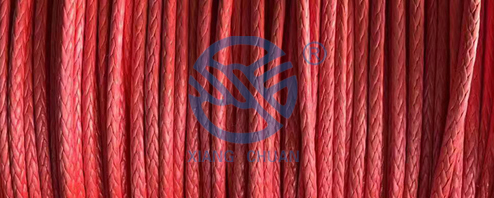
Å skjøte Fortøyningshaler er en kritisk ferdighet i maritime operasjoner, ettersom en dårlig utført skjøting kan kompromittere integriteten til fortøyningssystemet, noe som fører til utstyrssvikt, fartøyskader eller til og med sikkerhetsfarer. Fortøyningshaler – korte, fleksible seksjoner av tau festet mellom hovedfortøyningslinen og fartøyets biter eller klosser – må tåle ekstreme strekkkrefter, dynamiske belastninger fra bølger og strømmer, og miljøbelastninger som UV-eksponering og saltvann. For å sikre maksimal styrke ved skjøting krever prosessen presisjon, overholdelse av materialspesifikke teknikker og streng kvalitetskontroll. Nedenfor er en detaljert veiledning for å oppnå sterke, pålitelige skjøter for å fortøye haler.
1. Forstå de materielle egenskapene til fortøyningshaler
Fortøyningshaler er vanligvis laget av syntetiske fibre som polyester, nylon eller polyetylen med høy modul (HMPE), hver med unike egenskaper som påvirker skjøtemetoder:
Polyester: Motstandsdyktig mot UV-stråler og slitasje, med lav strekk. Det krever stram, konsekvent fletting for å opprettholde styrken.
Nylon: Svært elastisk, absorberende støtbelastning, men tilbøyelig til å krype under vedvarende spenning. Skjøter må ta hensyn til dens tendens til å slappe av over tid.
HMPE (f.eks. Dyneema): Eksepsjonelt sterk med minimal strekk, men følsom for varme og slitasje. Skjøting krever spesialverktøy for å unngå skade på fibre.
Før du skjøter, kontroller materialsammensetningen til fortøyningshalen. Å bruke teknikker designet for ett materiale på et annet (f.eks. nylonmetoder på HMPE) kan redusere skjøtestyrken med opptil 30 %.
2. Klargjør verktøy og arbeidsområde
En ren, organisert arbeidsplass minimerer fiberforurensning og sikrer presisjon. Viktige verktøy inkluderer:
Fids: Koniske verktøy for å skille tråder uten å kutte fibre. Velg størrelser som matcher taudiameteren (f.eks. 6 mm fid for 24 mm tau).
Marlinspike: For å løsne stramme tråder og tucking av fibre.
Målebånd og markør: For å markere tucklengder og sikre symmetri.
Varmepistol: For forsegling av syntetiske fiberender for å forhindre frynsing (unngå overoppheting av HMPE).
Strekktester: Valgfritt, men anbefalt for validering av skjøtestyrke etter ferdigstillelse.
Inspiser verktøy for skarpe kanter som kan hakke fibre – selv mindre skader svekker skjøten.
3. Følg 6-strengs skjøteprotokoll (mest vanlig for fortøyningshaler)
Sekstrådet tau er standard for fortøyning av haler på grunn av balansen mellom fleksibilitet og styrke. Den lange skjøten (for å skjøte sammen to tau) eller øyeskjøten (for å lage en løkke i enden) er mest vanlig. Nedenfor fokuserer på øyeskjøten, kritisk for å feste haler til bitt:
Trinn 1: Mål og merk skjøtelengden
Skjøtelengden påvirker styrken direkte. Som regel bør det være 20–25 ganger taudiameteren (f.eks. 480–600 mm for et 24 mm tau). Merk denne lengden fra enden av tauet.
For øyeskjøter bestemmer du øyestørrelsen (vanligvis 2–3 ganger taudiameteren for fortøyningsapplikasjoner) og merker "halsen" på øyet der skjøten begynner.
Trinn 2: Fest tauet og løs strengene
Klem tauet godt fast i den markerte skjøtelengden for å forhindre oppløsning. Løsne (separer) trådene 100 mm utenfor merket, og teip hver ende for å unngå frynsing.
Ordne de ulagte trådene i et "kurv"-mønster - tre tråder på den ene siden, tre på den andre - for å opprettholde symmetri.
Trinn 3: Tuck strenger med presisjon
Tucking er kjernen i skjøten, der tråder veves tilbake inn i tauets kropp. Følg disse trinnene:
Første tuck: Sett hver tråd inn i motsatt side av tauet, alternerende over og under eksisterende tråder. Trekk trådene stramt, men unngå overspenning, noe som kan forvrenge tauets struktur.
Etterfølgende tucks: Gjenta prosessen, roter tauet 180° etter hvert sett med tucks for å sikre jevn fordeling av spenningen. For maksimal styrke, fullfør 5–7 tucks—mindre risiko for glidning, mens flere legger til bulk uten betydelig styrkeøkning.
Symmetrikontroll: Etter hver tuck, mål lengden på hver eksponert tråd. Ujevne lengder indikerer feiljustering, noe som svekker skjøten.
For HMPE-tau, bruk en "låsesøm" etter den siste tuckingen for å forhindre glidning, siden dens lave friksjon øker risikoen for trådbevegelse.
4. Test og valider skjøten
En skjøt er bare pålitelig hvis den oppfyller eller overskrider tauets minste bruddlast (MBL). Tester etter skjøting inkluderer:
Visuell inspeksjon: Se etter frynsete fibre, ujevne stikk eller hull mellom trådene. Ethvert tegn på skade krever ny skjøting.
Spenningstesting: Bruk en kalibrert maskin for å påføre 60–70 % av tauets MBL. Hold lasten i 5 minutter – ingen glidning eller deformasjon indikerer en sterk skjøt.
Feltforsøk: Fest den skjøtede halen til en testpullert og utsett den for simulerte dynamiske belastninger (f.eks. dra med en vinsj). Overvåk for skift i skjøteposisjon.
For kritiske applikasjoner (f.eks. offshore fortøyning), sikrer tredjepartssertifisering fra instanser som DNV eller ABS samsvar med internasjonale standarder.
5. Vedlikehold skjøter for langsiktig styrke
Selv den beste skjøten forringes over tid. Regelmessig vedlikehold inkluderer:
Rengjøring: Skyll med ferskvann for å fjerne salt, som akselererer nedbrytning av fiber.
Smøring: Påfør UV-bestandig olje på nylonskjøter for å redusere friksjonen mellom trådene.
Inspeksjon: Sjekk for slitasje ved skjøtehalsen (høystressområde) og stram trådene igjen hvis det oppdages løshet.
Utskifting: Bytt fortøyningshaler hvert 2.–3. år, eller tidligere hvis skjøter viser tegn på slitasje (f.eks. slitasje, trådglidning).
Konklusjon
Å skjøte fortøyningshaler for maksimal styrke krever en kombinasjon av materialkunnskap, presis teknikk og streng testing. Ved å forstå fiberegenskaper, bruke riktig verktøy og følge strukturerte tucking-protokoller, kan operatører sikre at skjøter beholder 90–95 % av tauets opprinnelige styrke. Regelmessig vedlikehold og validering forlenger skjøtens levetid ytterligere, og holder fartøy og mannskap trygge i selv de tøffeste maritime miljøer. Husk: en sterk spleis er ikke bare en forbindelse – det er en kritisk forsvarslinje mot operasjonell feil.

 English
 Español
 Portugues
 Pусский
 Français
 Deutsch
 日本語
日本語
 한국어
한국어
 العربية
 Italian
 Nederlands
 Ελληνικά
 Svenska
 Polski
 ไทย
ไทย
 Turkish
 हिन्दी
 Indonesia
 Melayu
 Tiếng Việt
 dansk
dansk
 Magyar
 বাংলা
বাংলা
 čeština
 Soomaali
 မြန်မာ
 فارسی
فارسی
 українська
 Gaeilge
 беларускі
 Română
 ພາສາລາວ
 Filipino
 lietuvių
 Cymraeg
 Suomalainen
 o'zbek
 اردو
اردو
 հայերեն
 سنڌي
سنڌي
 Hrvatski
 íslenskur
 galego
 català
 Zulu South Africa
 ಕನ್ನಡ
ಕನ್ನಡ
 Indonésia Sunda
 Кыргызча
 тоҷикӣ
 Србија
 Hawaii
 नेपाल
नेपाल
 euskara
 latvija
 پښتو
پښتو
 საქართველოს
 bosna
bosna
 Eesti
Eesti
 Azerbaijani
 Shqipëria
 Malta
Malta
 Kikongo
 Eʋegbe
 Fiji
Fiji
 Tonga
Tonga
 中文站
中文站

 +86-514-88253368



 Telefon
Kommentar
(0)